
3D Printed Demonstratives
3D Printing for Litigation: Bridging the Gap Between Data and Decision
In modern litigation, the most effective evidence is the kind a juror can truly grasp. While high-definition animations and digital graphics are vital tools, they remain behind a screen. 3D-printed demonstratives break through that glass, transforming complex digital data into tangible, physical reality.
At IPV Litigation Services, we provide “additive manufacturing” solutions (the process of building objects layer by layer) to help legal teams present evidence that is not just seen, but experienced.
Why 3D Printing? The Strategic Advantage
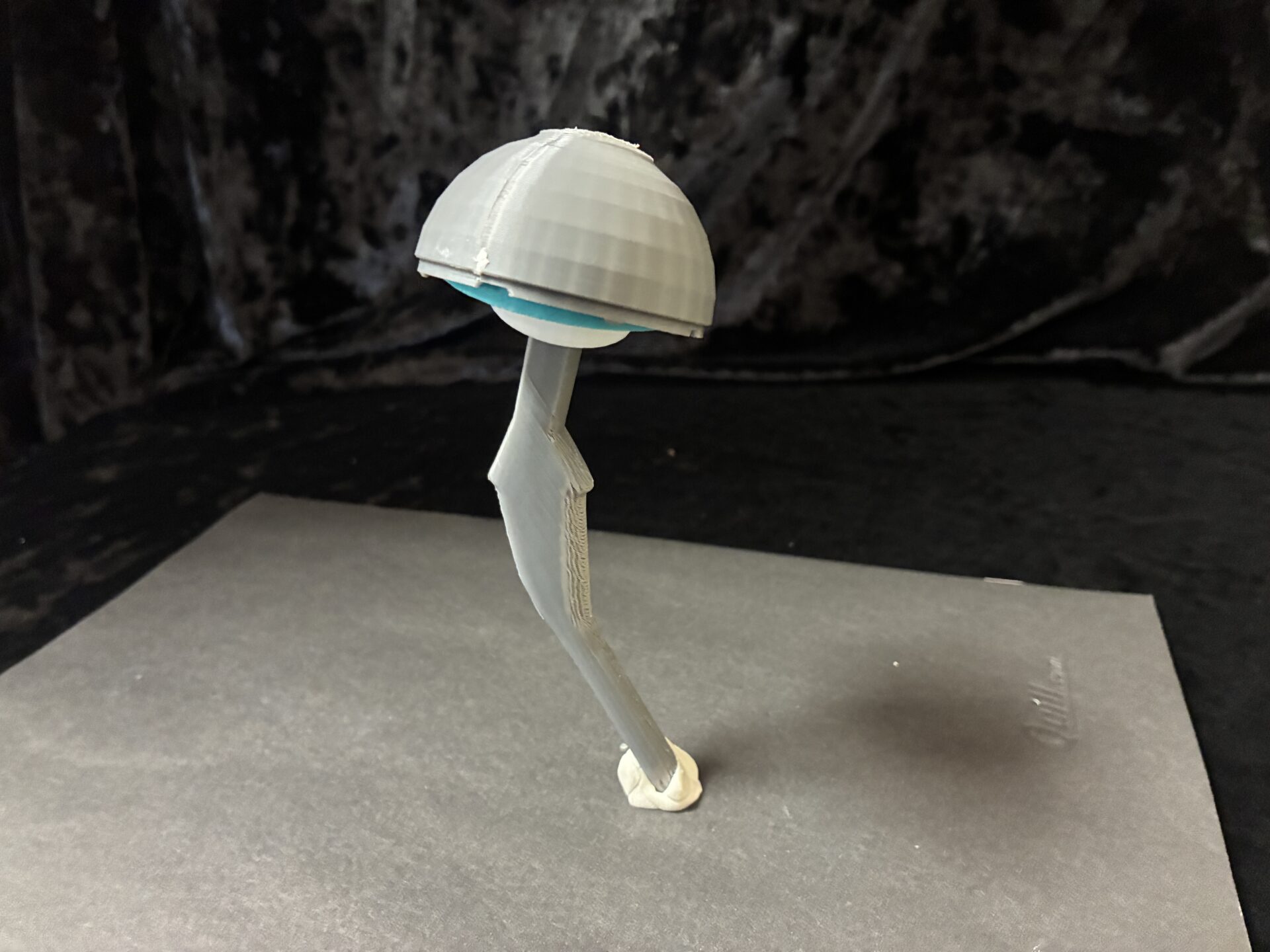
1. The Power of Tactile Understanding
Cognitive studies show that humans retain information significantly better when multiple senses are engaged. This is rooted in Dual Coding Theory (Paivio, 1986), which suggests that the brain stores information more robustly when it is encoded through both verbal and non-verbal (tactile/visual) channels.
As noted by medical experts such as Dr. James Glickstein, 3D models allow jurors to have tactile input as well as visual input (Experts Blog Interview, 2018). This physical interaction makes the evidence more “real” and memorable. By holding a model in their hands, jurors can view abnormalities in real-time from any angle, clearing up spatial confusion that 2D images often leave behind.
2. Moving from Abstract to Real Life
Legal testimony can often feel abstract or “arcane” to a lay jury. A 3D model bridges this gap, taking a technical concept and rooting it in real-life physics. When a jury can visualize exactly what occurred—the severity of a spinal compression or the precise path of a fracture—the case moves from a series of statements into a clear, understandable narrative.
.

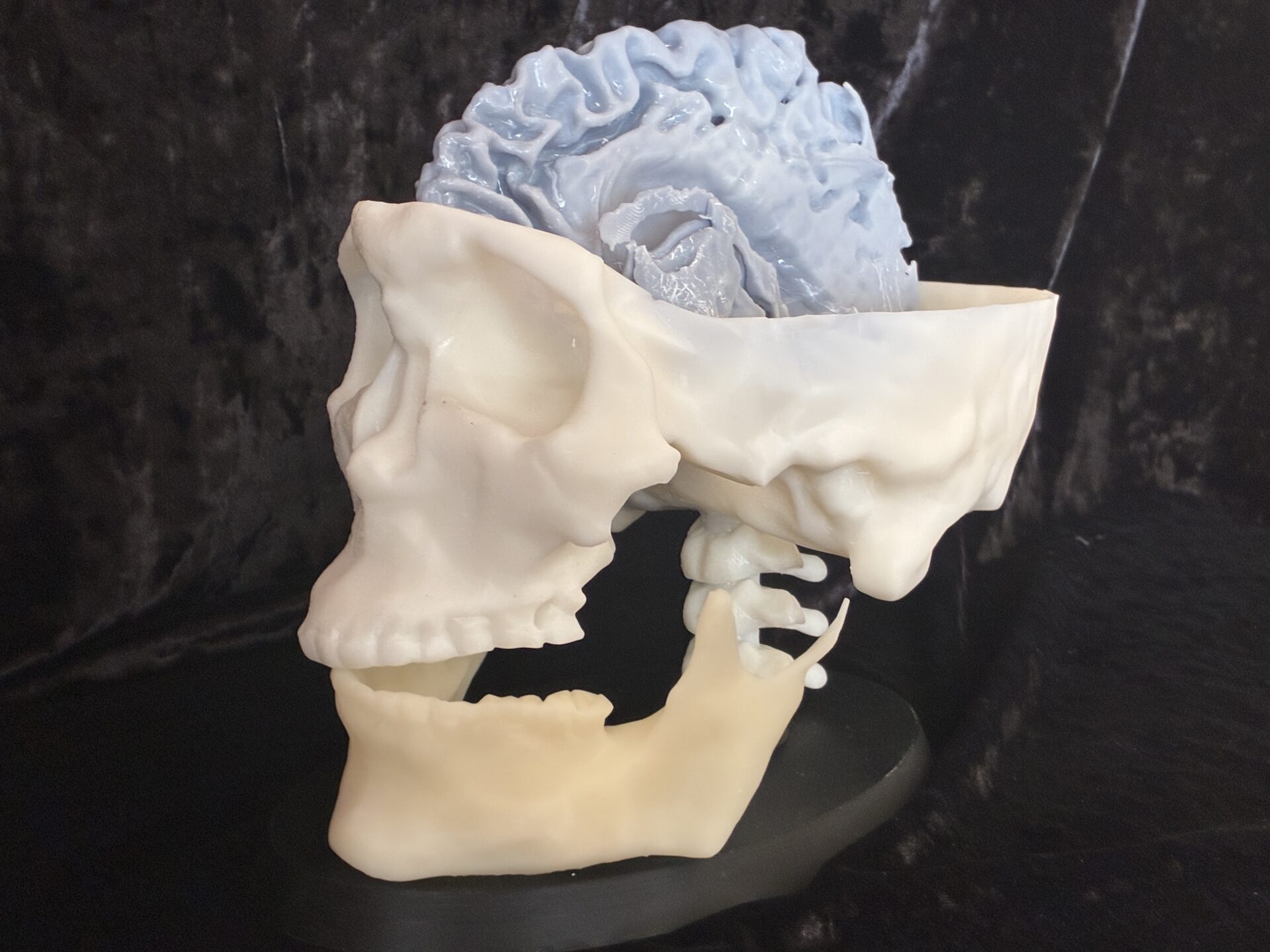
3. Neutralizing Bias and Emotional Distress
In cases involving violent trauma or gruesome injuries, autopsy photos can often overwhelm or bias a jury. By converting CT and MRI data into a clean, single-color 3D model, we allow the “trier of fact” to examine the structural reality of an injury without the visceral distress associated with graphic photography, potentially mitigating challenges under Rule 403 regarding “unfair prejudice.”
Admissibility and Expert Authentication
A common concern for trial counsel is the admissibility of 3D-printed models. At IPV, we ensure our models are built for the record. These demonstratives are typically admitted as illustrative evidence to assist an expert witness in explaining their testimony.
To ensure a seamless path to the jury box, we facilitate a rigorous authentication process:
- Pre-Testimony Validation: We recommend sending the physical model to your expert prior to their deposition or trial testimony. This allows them to verify that the model is a “fair and accurate representation” of the plaintiff’s specific injury or the mechanical component in question.
- Data Integrity: We provide a clear chain of custody from the original digital source (CT, MRI, or Laser Scan) to the final print.
- Accuracy Verification: Our technicians can testify to the “1:1” digital accuracy of the model, ensuring the print matches the underlying data with scientific fidelity.
Legal Applications & Use Cases

Medical Malpractice & Personal Injury
Explain complex surgeries or traumatic injuries with surgical precision. 3D models are particularly effective for:
- Complex Fractures: Visualizing comminuted or spiral fractures that are hard to interpret on X-rays.
- Orthopedic Complications: Showing the orientation of hardware (screws/plates) or post-operative failures.
- Pathology: Replicating tumors or birth defects to show their impact on surrounding anatomy.
Product Liability & Patent Disputes
Make “prior art” or “defective design” unmistakable. 3D printing is an ideal tool for side-by-side comparisons, allowing experts to show the jury the physical differences between an original patent and an infringing product.
.
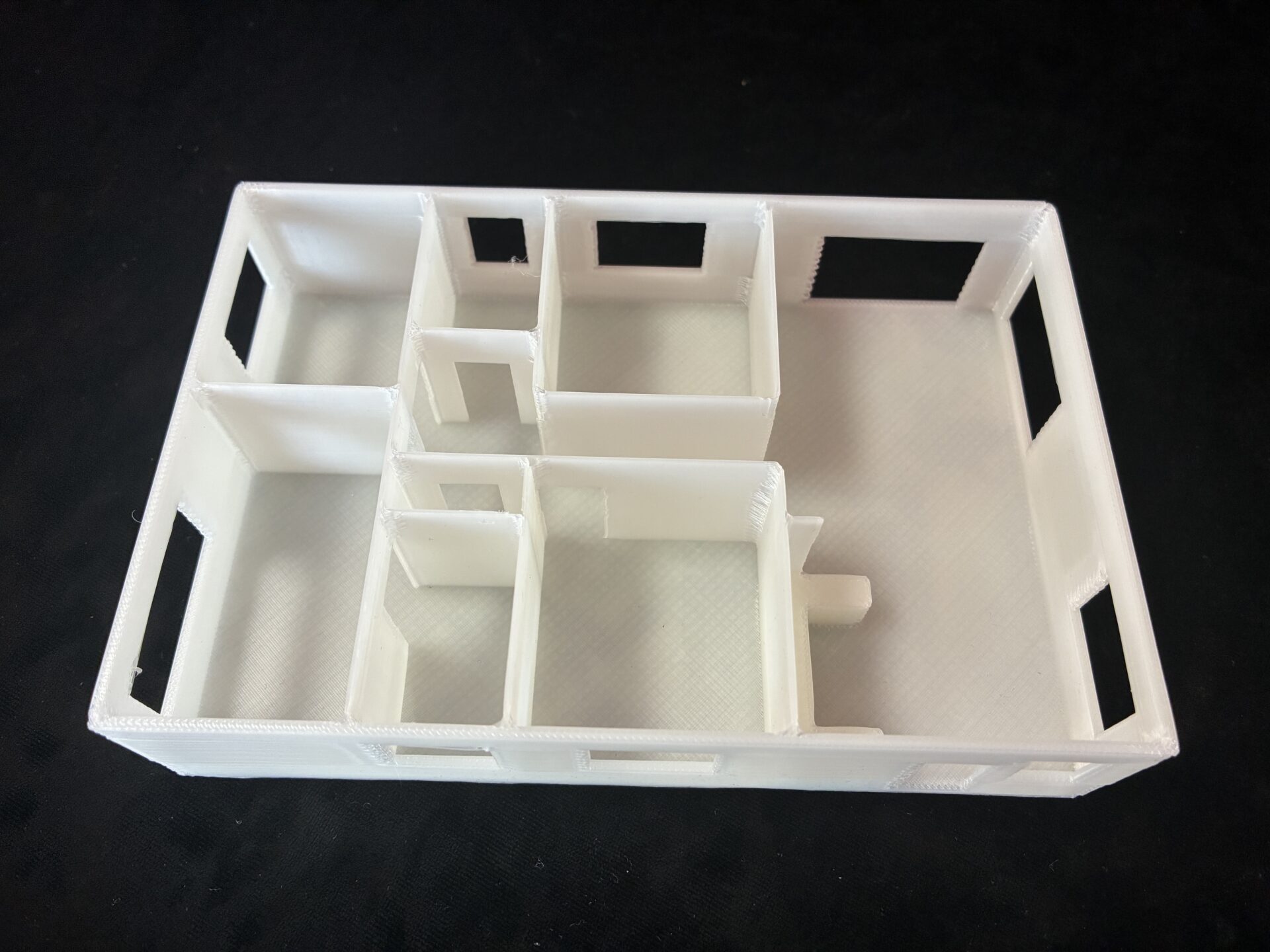

Accident & Crime Scene Reconstruction
Give the jury a bird’s-eye view of the incident. Using 3D laser scanning and photogrammetry, we can replicate entire accident sites or crime scenes as scaled architectural models. This provides essential context for vehicle dynamics and lines of sight.
Forensic Analysis & Trace Evidence
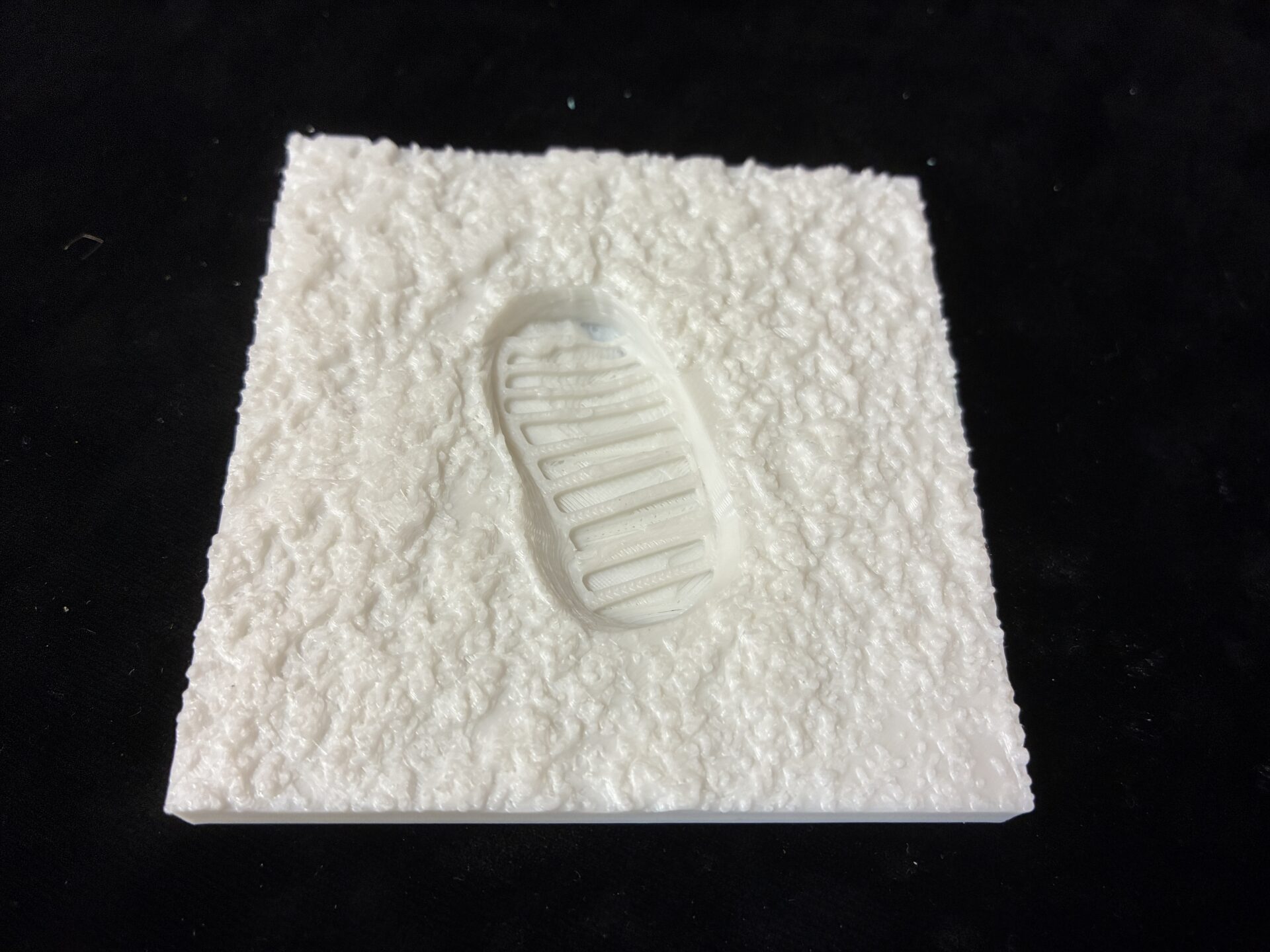
Preserve fragile evidence for years to come. 3D scanning allows us to document transient evidence—like tire treads, tool marks, or bone fragments—in a non-destructive way. We can then print enlarged replicas that can be handled repeatedly without risk of damage to the original evidence.
Scan-to-Print Workflow
We make the transition from digital data to physical evidence seamless:
- Data Acquisition: We ingest data from 3D laser scanners or medical imaging (CT/MRI).
- Digital Modeling: Our technicians refine the digital “point cloud” or scan, ensuring every “nook and cranny” is captured.
- Additive Manufacturing: The object is printed layer-by-layer using high-grade, durable polymers.
- Final Refinement: We clean and prepare the model for professional courtroom presentation.
Transform Your Narrative into Reality
Don’t just tell the jury what happened- let them feel the evidence for themselves. Contact IPV Litigation Services today to discuss a custom 3D-printed demonstrative for your next case.
See Our Full List of Services
If you don’t see what you’re looking for, check out our full list of services, or contact us. If you have a unique or special need, we can provide a solution!
Download Your Difference-Maker
Enhance Your Courtroom Presentations By 600X—Or Miss 49% of the Jury
QUESTION? CONTACT US


Strengthen Your Case Now

IPV Litigation Services - your premiere provider of Investigative Legal Photography, Videography, & Trial Support services for more than 35 years!